Polylithic Items That Matter
You do not need every pebble. You need the ones that keep fire, food, and flint moving.
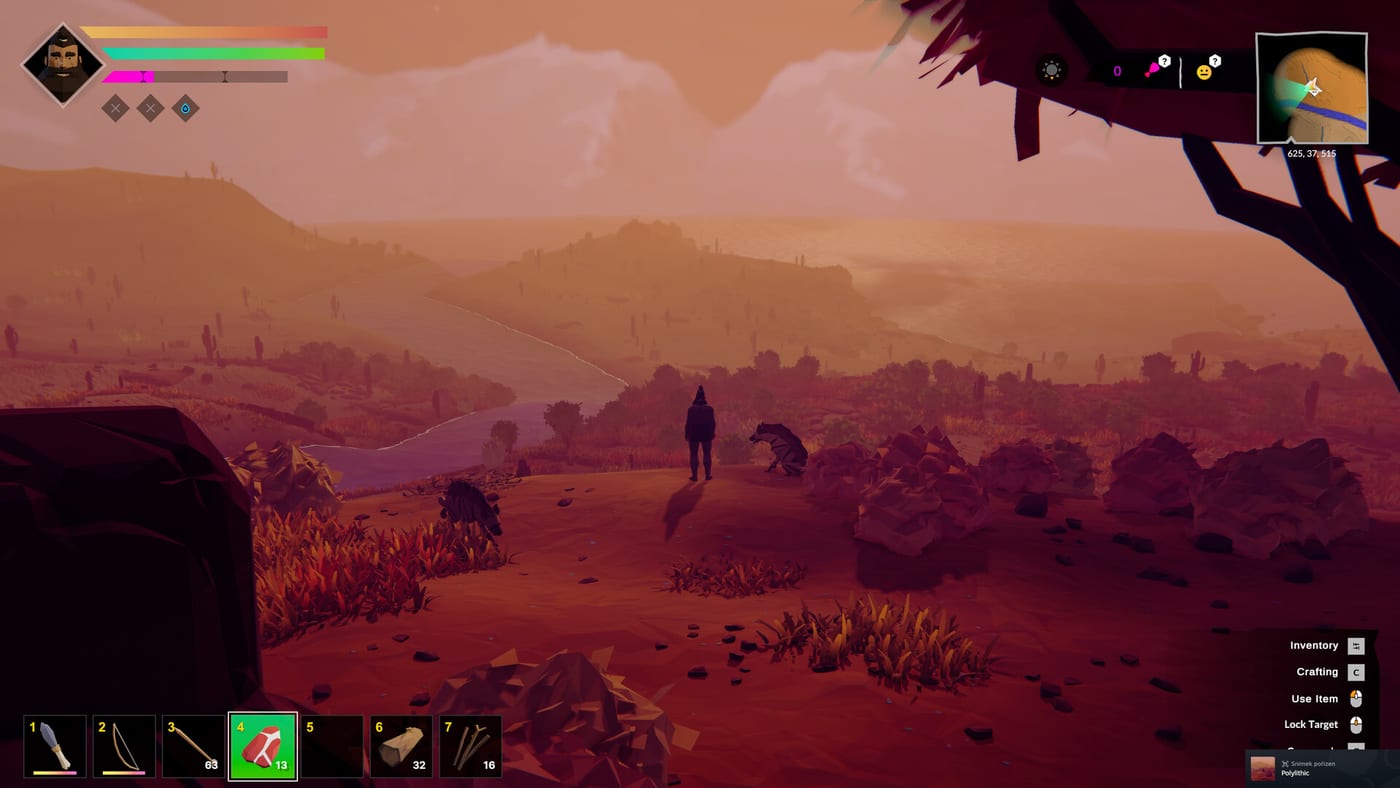
Polylithic fills your pockets with more junk than you think you need. Most of it is real. Some of it is a trap. This page is the resource map for players who keep dying with a backpack full of pretty stones and no cooked meat. It is unofficial. Confirm names, stacks, and recipes on the Steam page and the studio site.
If you want the order of unlocks, use the tech tree. If you want to turn these piles into a camp, use buildings and how to craft. If you want a shopping list before you leave camp, use the gathering planner.
The first-hour pile
These are the items that decide whether night one is a story or a corpse.
- Sticks and branches. Fire, spears, and the first workbench. Grab more than you think. You burn them faster than you notice.
- Flint and stone. Edges, scrapers, and the entire Paleolithic identity. One pile is not enough. Two piles is still not enough if you miss.
- Plant fiber. Cordage, clothing, and the bindings that stop your spear from being a stick. Pick it whenever you pass it.
- Meat and organs. Raw food is a delay, not a meal. Carry it home and read cooking before you eat the whole deer.
- Hide and bone. Clothes, bags, and later tools. A carcass you cannot process is a decoration. See how to hunt.
- Berries and plants. Fast calories with a chance of regret. Identify before you binge.
The settlement pile
Once the first fire lives, your inventory should change personality.
- Clay and mud. Bowls, storage, and the first hint that you are a farmer instead of a tourist.
- Wood in actual sizes. Posts, frames, and roofs. Sticks stop being enough the moment you try to house a second person.
- Water and cooked leftovers. The boring items that prevent the next death loop. See getting started.
- Trophies and story objects. Some items exist to move the campaign, not your hunger bar. Do not eat them. See story.
- Tame food. A second pile of meat that is not for you. If you keep feeding it to yourself, you do not have a dog. See taming.
What not to hoard
Pretty rocks, duplicate broken tools, and every flower in a biome will fill a bag and starve a person. Drop or store the junk at camp. The settlement page exists so your house can be the backpack you wish you had.
How to read a full bag
Open the inventory and sort by job, not by shine. One slot should be fire. One slot should be an edge. One slot should be cooked food or the meat that will become cooked food in the next ten minutes. Everything else is optional until those three exist. If the bag is full and those three are missing, you did not gather. You window-shopped.
Broken tools still count as items. They do not count as tools. Drop the dead spear at the settlement repair pile instead of carrying it on the next hunt. The same rule applies to half-used fiber and leftover bones you are not ready to craft. The tech tree will ask for them later. Your lungs will not thank you for hauling later today.
If a recipe asks for an item you have never seen, do not wander randomly. Check the biomes page for the habitat, then take the survival checklist so you come home with the thing you left for. The game is generous with world clutter. It is not generous with players who treat every pebble as sacred.
Frequently Asked Questions
Quick answers to the most common questions.
What should I pick up first?
Sticks, flint, fiber, and anything that becomes cooked food. Pretty stones wait.
Why is my bag always full?
You are hoarding duplicates. Store at camp and keep a hunt kit. See settlement.
Where do I find clay?
Near water and wet ground in several biomes. Confirm the current spawn, then use biomes.
Are all plants safe?
No. Identify before you binge. Cooking is how you turn maybe-food into food.