How to Play Polylithic Co-op
Nine friends, no tutorial, and a desync that will become a campfire story.
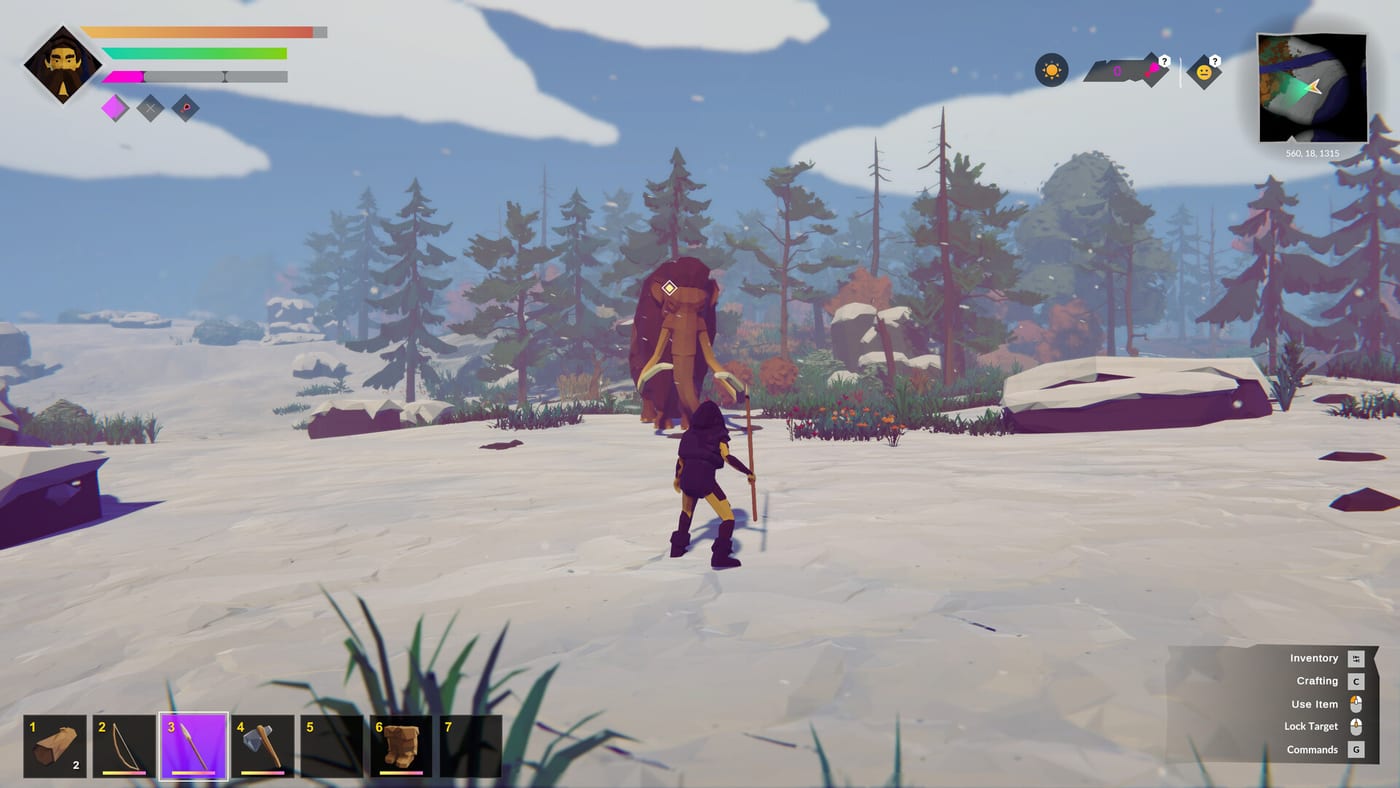
Polylithic’s store page invites you to bring up to nine friends into the Stone Age. That is the correct number of people to ruin a hunt and then blame the host. Online co-op is real in 1.0. A useful tutorial for it is not. This guide is the social contract. The lobby details live on multiplayer. The survival basics still live in getting started, because flint does not become a group project just because four headsets are talking.
Decide the mode before anyone crafts a bow. Story wants quest ticks that already fail for solo players. Sandbox wants an infinite map and no campaign babysitting. Most groups should host sandbox until they like the loop. Switch to story when someone actually wants the dream and the Neolithic beats.
Hosting without tears
One host. One world. Everyone else is a guest who can still eat the entire stalk pile. The host should have the stabler connection and the willingness to wait when someone rubber-bands through a mammoth. Launch-week reviews mention desync that simply stops play. If the world starts lying, you are not going to debug it with a wiki paragraph. You are going to rest in a hut, relog, and decide whether the night is a building night instead of a hunt night.
Turn on the habit of manual saves even if the host swears autosave is fine. Ten minutes is enough time for three people to die in unique ways. Beds belong in huts. See settlement and controls.
Split the work or drown in twigs
Appoint jobs out loud. One person runs stalk and string. One person runs rocks, flint, and the grindstone. One person cooks and guards the fire. One person watches the bison line and is not allowed to “just check.” Open the gathering planner on a shared screen if the group cannot remember why they walked to the river.
Do not all follow the same caribou. Do not all tame animals on night one. A hyena per player is a food crisis with teeth. Taming can wait until the pot is boring.
Crafting should be centralized early. Four personal inventories full of half-finished recipes is how nobody gets a blade. Park stations in a line by the fire, not in four stylish courtyards.
Combat as a group
Co-op makes hunts easier and wipes louder. Range first. Call targets. Leave bison. If the host’s villager AI is already a sitcom, do not add four humans standing in the charge lane. Read how to hunt once as a group so someone does not learn about pack aggro in voice chat.
Enemy tribes are a 1.0 feature. Treat other camps like player-shaped weather. Scout with two people, not eight. A raid that injures half the lobby is a happiness and morale problem even if the humans themselves do not have a happiness bar. The AI village you are growing still does.
When co-op is the wrong tool
If you care about a clean story, play the campaign solo and use co-op for a second sandbox world. If you need perfect simulation, wait for patches and keep an eye on patch notes. If you just wanted a pretty walk, you can still have that. Walk, fish, build a stupid fence, and refuse the mammoth. The trailer will forgive you.
Co-op is the best version of Polylithic and the fastest way to meet its worst bugs. Host on purpose, split the stalk, and keep a hut you can sit in when the Stone Age starts lagging like a modern office.
Frequently Asked Questions
Quick answers to the most common questions.
How many players can join Polylithic co-op?
You plus up to nine friends, for ten people total, in online co-op on the Steam Windows build.
Should we play story or sandbox together?
Sandbox first. Story quests already stall solo. Details are on multiplayer.
What causes co-op desync?
Launch-week netcode, not a setting you missed. Save, relog, and shrink the hunt if the world starts disagreeing.
How do we divide crafting?
One grindstone, one fire, one stalk runner. Use the planner and how to craft.